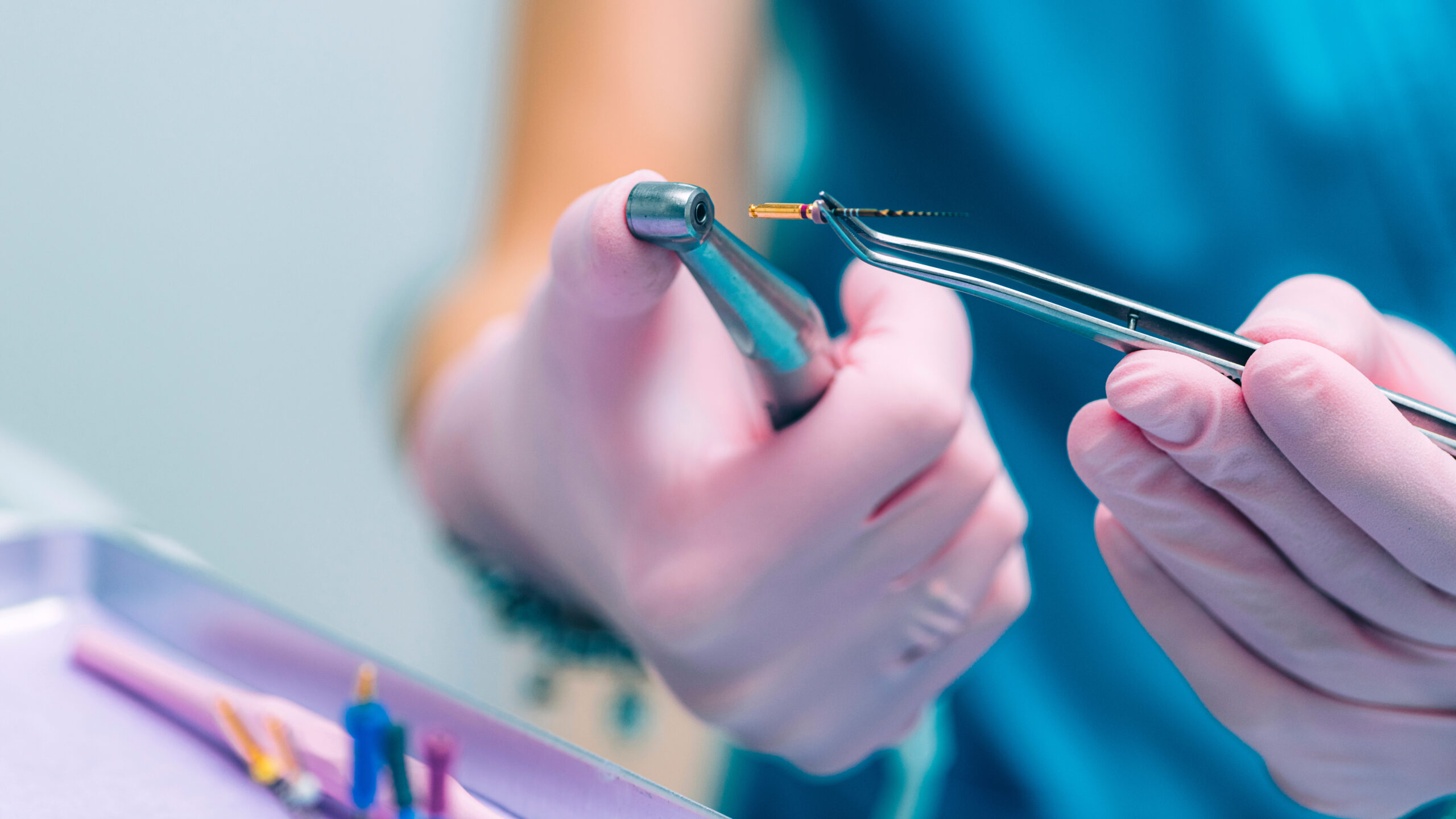
Comfortable Root Canal Therapy
Persistent tooth pain, sensitivity to hot and cold, or swelling near a tooth can signal that infection has reached the inner pulp, and putting off treatment often means the pain will only get worse over time. Many patients feel anxious at the mention of root canal therapy, but knowing what the procedure involves can make the decision to save a damaged tooth much less intimidating.
At Trident Smiles, we perform root canal therapy in a calm, patient-focused environment designed to relieve pain and preserve your natural tooth whenever possible. Dr. Shivam Patel and our team combine restorative dentistry skills with modern technology, so Salisbury patients can address infected or damaged teeth with confidence rather than fear.

Root canal therapy is a procedure used to remove infected or inflamed pulp tissue from inside a tooth, clean and disinfect the interior of the tooth, and seal it to prevent further infection. This treatment allows us to save a tooth that might otherwise need to be extracted due to deep decay, a cracked tooth, or repeated dental procedures on the same tooth over time.
A systematic review of 42 studies published in the International Endodontic Journal found weighted pooled success rates of 92.6 percent under loose criteria and 82.0 percent under strict criteria. Those findings point to how reliable modern endodontic treatment can be, although outcomes vary with the condition of each tooth.
Several warning signs can indicate that the pulp inside your tooth has become infected or damaged. The most common ones are listed below.
In some cases, an infected tooth may not cause noticeable pain at all, which is why routine dental checkups and X-rays play an important role in catching problems early. If you are experiencing any of these symptoms, we recommend scheduling an evaluation with our team so we can determine the best course of treatment before the infection has a chance to spread.
Root canal therapy gives you a chance to keep your natural tooth, which helps preserve your bite and the way your teeth work together. When a tooth is too damaged to restore, an extraction may be the better option. If that happens, we explain why and walk you through your replacement choices. You can read more about tooth extractions in Salisbury, NC if you want to see how that process works.
Root canal therapy has a reputation for being uncomfortable, but modern techniques and effective local anesthesia make the procedure far more comfortable than many patients expect. Here is how treatment typically unfolds.
After the canal is sealed, we typically recommend placing a dental crown over the treated tooth to restore its strength and protect it from future fracture. We use intraoral scanning technology throughout this process, which allows us to design a precise fit for your crown without the discomfort of traditional impression material.
Most patients experience mild soreness for a few days following root canal therapy, which can typically be managed with over-the-counter pain relief and a temporary focus on softer foods. We recommend the following steps to support a smooth recovery.
Keeping up with routine preventive care after your root canal also helps us catch any future issues early.
We know that unexpected dental treatment can be stressful, especially when it comes to cost, which is why we work with patients to make root canal therapy as accessible as possible. We are in-network with Delta Dental and accept other insurance plans on an out-of-network basis, and our team is happy to walk you through your coverage before treatment begins.
For patients without insurance, we also offer flexible financing options so cost does not stand in the way of saving your tooth.
A damaged or infected tooth does not have to mean losing it for good. Dr. Shivam Patel and our team at Trident Smiles are dedicated to helping Salisbury patients relieve pain and preserve their natural teeth through comfortable, modern root canal therapy delivered with genuine care.
If you are experiencing tooth pain or sensitivity, we invite you to reach out through our contact form to schedule an evaluation with our team. We look forward to helping you get back to a healthy, pain-free smile.

Modern techniques and effective local anesthesia make root canal therapy far more comfortable than many patients expect. You may feel pressure during treatment, and mild soreness for a few days afterward is common.
Most patients have mild soreness for a few days, which can typically be managed with over-the-counter pain relief and softer foods. Avoid chewing directly on the treated tooth until it is fully restored, and attend your follow-up so we can confirm healing.
Persistent or throbbing pain, lingering sensitivity to hot or cold, swollen or tender gums, and a darkened tooth are common signs. Some infected teeth cause no pain at all, so checkups and X-rays matter. If you notice any symptoms, schedule an evaluation with our team.
Root canal therapy can save a tooth that would otherwise need to be removed, which helps you keep your natural bite. If a tooth is too damaged to restore, an extraction may be the better option, and we explain why before moving forward.
We typically recommend placing a crown over a treated tooth to restore its strength and protect it from future fracture. We use intraoral scanning to design a precise fit without traditional impression material.
A systematic review in the International Endodontic Journal found weighted pooled success rates of 92.6 percent under loose criteria and 82.0 percent under strict criteria. Results vary with the condition of each tooth.
Coverage depends on your plan. We are in-network with Delta Dental and accept other insurance plans on an out-of-network basis, and our team can review your coverage before treatment begins.