
Restorative Dentistry in Salisbury, NC
Restoring damaged, decayed, or missing teeth to full function and natural appearance with advanced restorative treatments.
Dental Crowns in Salisbury, NC
Written by Dr. Shivam Patel
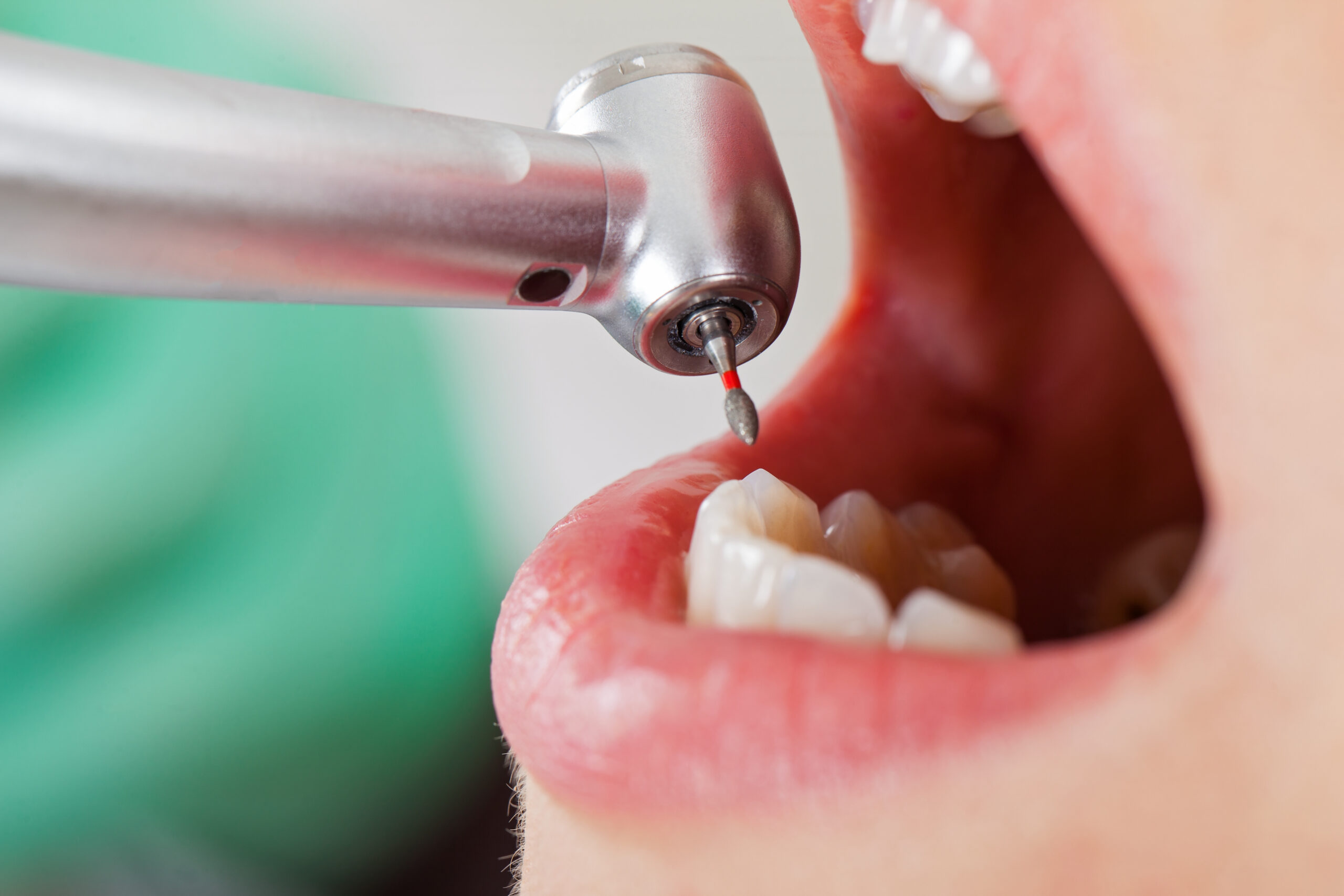
Dental crowns completely cover and protect teeth that are too damaged for fillings alone. At our Salisbury, NC practice, crowns restore strength, function, and appearance to teeth weakened by extensive decay, large fillings, cracks, root canal treatment, or severe wear. We create custom crowns that match the color, shape, and size of your natural teeth for seamless integration with your smile.
The crown procedure typically requires two appointments. During the first visit, we prepare the tooth by removing damaged structure and shaping it to receive the crown. We take precise digital scans and place a temporary crown to protect the tooth while your permanent crown is fabricated. At your second appointment, we remove the temporary crown, check the fit and appearance of your permanent crown, and securely cement it in place. With proper care, dental crowns can last 10 to 15 years or longer.
Dental Bridges in Salisbury, NC
Dental bridges replace one or more missing teeth by anchoring an artificial tooth – called a pontic – to the natural teeth on either side of the gap. Bridges restore your ability to chew properly, prevent surrounding teeth from shifting out of alignment, and fill the visible gap in your smile. At Trident Smiles, we design custom bridges that blend naturally with your surrounding teeth in both color and shape.
The bridge procedure is similar to crowns – we prepare the anchor teeth, take digital impressions, and place a temporary bridge while your permanent bridge is crafted. Most patients in Salisbury complete their bridge treatment in two visits. Once placed, a dental bridge is fixed in your mouth and cared for just like natural teeth with regular brushing, flossing, and dental checkups.
Dentures in Salisbury, NC
For patients missing multiple teeth or an entire arch, dentures offer a removable solution that restores both function and appearance. Full dentures replace an entire upper or lower arch of teeth, while partial dentures fill gaps when some natural teeth remain. Modern dentures are designed to fit comfortably and look natural, allowing you to eat, speak, and smile with confidence.
Dr. Patel takes precise impressions and measurements to create dentures custom-fitted to your mouth. We work with you through a fitting process to ensure your dentures are comfortable and functional before finalizing them. Patients throughout Salisbury, Spencer, and China Grove can also explore implant-supported dentures for a more stable, permanent solution that eliminates the need for adhesives.
Types of Restorative Treatments:
- Dental fillings: Repair cavities and minor tooth damage with tooth-colored composite resin that blends naturally with your smile while providing durable protection.
- Dental crowns: Cover and strengthen severely damaged teeth, protecting them from further harm while restoring full function and appearance.
- Root canal therapy: Remove infected pulp tissue from inside the tooth to eliminate pain and save teeth that would otherwise require extraction.
- Dental bridges: Replace one or more missing teeth by anchoring artificial teeth to adjacent natural teeth, restoring your complete smile and proper bite.
- Inlays and onlays: Provide a more conservative alternative to crowns for moderate damage, preserving more natural tooth structure while delivering lasting results.
Comprehensive Tooth Restoration
Restorative dentistry addresses the structural damage that occurs when teeth are affected by decay, trauma, wear, or disease. According to the World Health Organization, an estimated two billion people suffer from caries of permanent teeth, making dental decay one of the most common health conditions worldwide. When tooth structure is compromised, restorative treatments become necessary to eliminate infection, preserve remaining healthy tooth structure, restore proper function, and prevent further deterioration.
At Trident Smiles in Salisbury, NC, Dr. Shivam Patel provides comprehensive restorative dentistry services to repair and rebuild damaged teeth. Serving patients throughout Salisbury, Spencer, China Grove, Rockwell, and the surrounding Rowan County area, our practice uses advanced techniques and high-quality materials to deliver results that look natural and last for years. Our approach focuses on preserving as much of your natural tooth structure as possible while restoring full function and aesthetics. For more extensive needs, we also offer tooth extractions, full mouth reconstruction, and wisdom tooth removal.
Restorative treatments do more than fix immediate problems. They protect your oral health by preventing complications that arise from untreated decay or damage – such as infection, tooth loss, bite problems, and pain. By addressing dental issues promptly with appropriate restorative care at our Salisbury, NC practice, you maintain better overall oral health, avoid more extensive treatments in the future, and preserve your natural smile for as long as possible.
Dental Fillings
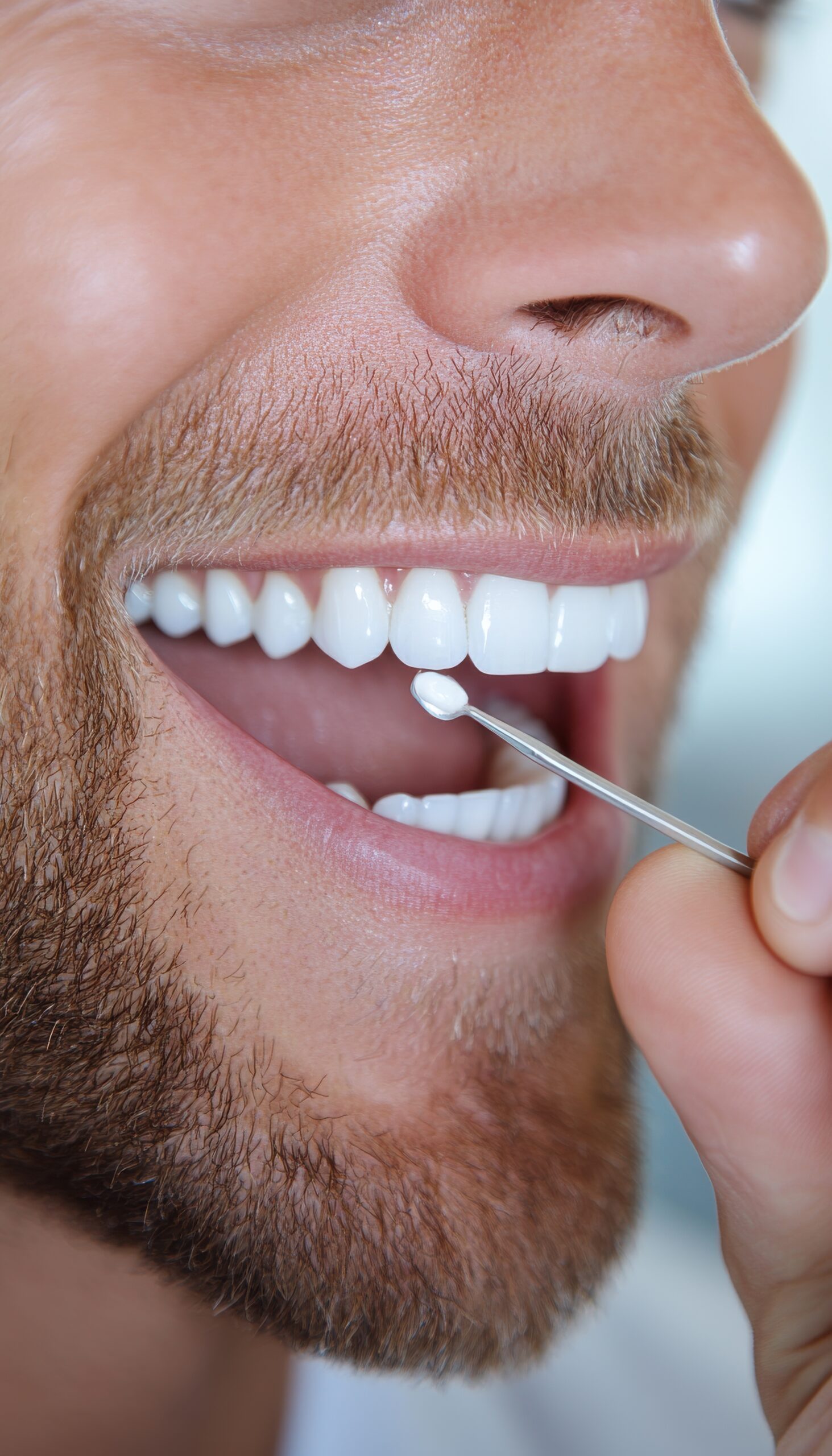
Dental fillings are the most common restorative treatment used to repair teeth damaged by decay. When a cavity forms, the decayed portion of the tooth must be removed and the resulting space filled with a durable material that restores the tooth’s shape and function. We use tooth-colored composite resin fillings that blend seamlessly with your natural teeth, providing both strength and aesthetic appeal.
Composite fillings bond directly to your tooth structure, which allows us to preserve more of your natural tooth compared to traditional amalgam fillings. The material is applied in layers and hardened with a special light, creating a strong restoration that can withstand normal chewing forces. Because composite fillings match the color of your teeth, they are virtually invisible and provide a natural-looking result.
Most filling procedures can be completed in a single appointment and require only local anesthesia to ensure your comfort. After removing the decay and preparing the tooth, we carefully place and shape the filling material to restore proper tooth contours. With good oral hygiene and regular dental checkups, composite fillings can last many years and keep your restored teeth healthy and functional.
THE RESTORATIVE PROCESS
Step 1:
Comprehensive Exams
Your restorative treatment begins with a thorough examination to assess the extent of damage and determine the most appropriate solution. Dr. Patel examines the affected tooth visually and may use digital X-rays to evaluate damage below the surface and in surrounding bone. We discuss your symptoms, review your dental history, and consider factors like tooth location, damage severity, and your aesthetic preferences when recommending treatment options.
Step 2: Treatment Planning
After diagnosing your condition, we develop a personalized treatment plan that addresses your specific needs. We explain the recommended procedure, what you can expect during treatment, and answer any questions you have about the process, materials, or recovery. For more complex restorations, we may need to take impressions or digital scans of your teeth to ensure precise fit and function of the final restoration.
Step 3: Restoration Procedure
During your treatment appointment, we ensure your comfort with appropriate anesthesia before beginning the restorative procedure. The specific steps depend on the type of restoration you need, but all procedures focus on removing damaged tissue, preserving healthy tooth structure, and creating a durable restoration that functions properly and looks natural. We take care to match materials to your natural tooth color and shape the restoration for optimal comfort and aesthetics.
Root Canal Therapy
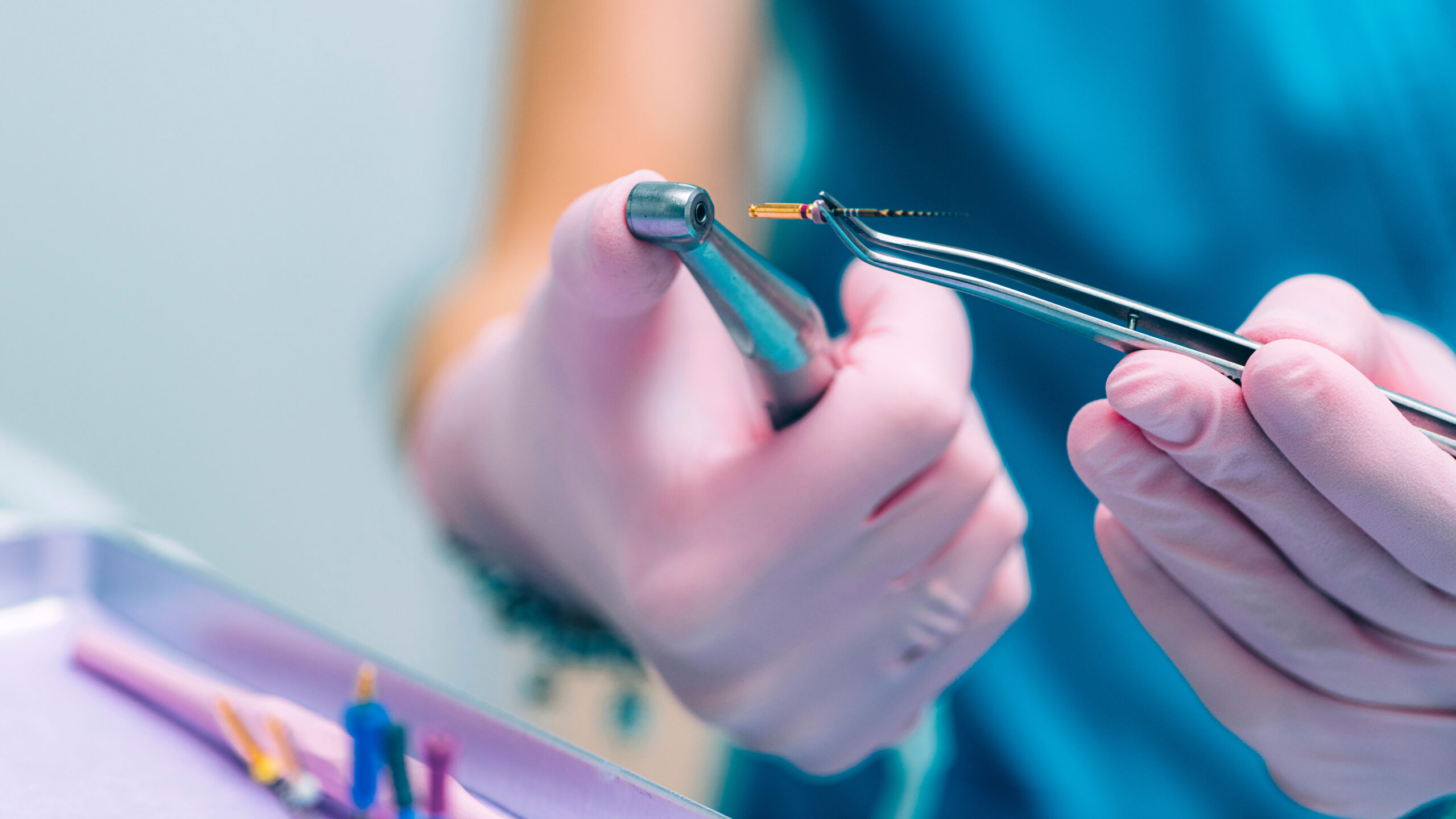
Root canal therapy becomes necessary when tooth decay or trauma reaches the inner pulp chamber containing nerves and blood vessels. This infection causes severe pain, sensitivity, and swelling, and without treatment, the infection can spread and ultimately lead to tooth loss. Root canal treatment at our Salisbury, NC practice removes the infected tissue, disinfects the interior of the tooth, and seals it to prevent reinfection.
Despite their reputation, modern root canal procedures are no more uncomfortable than receiving a filling. We use effective local anesthesia and gentle techniques to ensure your comfort throughout the treatment. After creating an access opening in the tooth, we carefully clean and shape the root canals, fill them with a biocompatible material, and seal the access opening. Most root canal treated teeth require a crown to protect them and restore full strength and function.
Root canal therapy has a high success rate and allows you to keep your natural tooth rather than having it extracted. Saving your natural tooth maintains proper spacing in your mouth, preserves your jawbone, and avoids the need for more extensive tooth replacement procedures. With appropriate restoration and good oral hygiene, a root canal treated tooth can last a lifetime. To schedule a restorative dentistry consultation at Trident Smiles, contact our Salisbury office today. You can also learn more about our preventive dentistry and periodontal treatment services to keep your smile healthy at every stage.
FAQs About Restorative Dentistry in Salisbury, NC
How Long Do Restorations Last?
The lifespan of dental restorations depends on several factors including the type of restoration, the location and function of the tooth, your oral hygiene habits, and whether you attend regular dental checkups. Composite fillings typically last five to seven years, though many last longer with good care. Dental crowns can last 10 to 15 years or more. Root canal treated teeth with proper restoration can last a lifetime. Regular dental visits allow us to monitor your restorations and address any concerns before they become serious problems.
How Do I Know if I Need Restorative Dental Care?
You may be a candidate for restorative dentistry if you have a cracked, chipped, or decayed tooth, noticeable gaps from missing teeth, difficulty chewing, or discomfort when biting. Even if you are not experiencing pain, damaged teeth can worsen over time without treatment. We recommend scheduling an exam so we can assess your smile and discuss your options before the issue progresses.
What Types of Restorative Dental Treatments Do You Offer?
Trident Smiles offers a comprehensive range of restorative treatments to repair and replace damaged or missing teeth. Our services in Salisbury, NC include tooth-colored composite fillings, dental crowns, dental bridges, full and partial dentures, root canal therapy, and inlays and onlays. For patients who have lost a tooth entirely, we also offer dental implants — a permanent solution covered in full on our dedicated implants page. During your consultation, Dr. Patel will evaluate your oral health and recommend the most appropriate solution to restore both the function and appearance of your smile. Contact our Salisbury office to schedule your restorative dentistry consultation today.