Restore Missing Teeth With Dental Bridges
A gap in your smile does more than change how you look in photos. Over time, the teeth beside it can lean into the space, your bite can shift, and some foods can become harder to chew. Replacing a missing tooth sooner usually keeps more of your options open.
At Trident Smiles in Salisbury, Dr. Shivam Patel and our team help patients close those gaps with dental bridges as part of our restorative dentistry services. We examine the area, explain which replacement options fit your mouth, and walk you through what each one involves before you commit to anything.
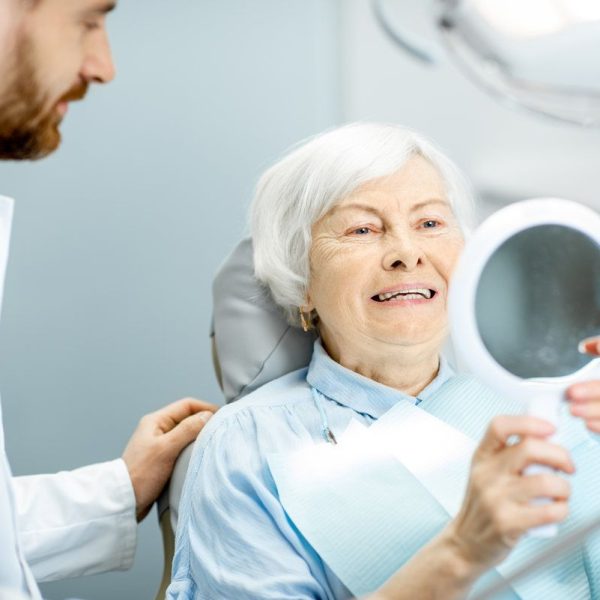
The American Dental Association describes a bridge as artificial teeth that span the space left by one or more missing teeth, supported by the surrounding teeth. Bridges can be made from gold, alloys, porcelain, or a combination of these materials, and a fixed bridge can only be removed by a dentist.
In a traditional bridge, crowns on the teeth at either end of the gap hold a replacement tooth, called a pontic, in place. This restores your ability to bite and chew, supports clear speech, and helps keep neighboring teeth from drifting into the empty space. Because the surrounding teeth carry the load, keeping them healthy is a big part of a bridge’s long-term success.
The right design depends on where the gap is and the condition of the teeth around it. Traditional bridges use crowns on the natural teeth next to the gap. Implant-supported bridges anchor to dental implants instead, which can be a good option when several teeth in a row are missing or when the neighboring teeth cannot provide strong support.
A cantilever bridge is another option we may recommend in certain cases, with the pontic supported by a crown on only one side. During your consultation, we evaluate your bite, jawbone, and remaining teeth so we can recommend the design most likely to feel stable and look natural.
A bridge and a dental implant can both replace a missing tooth, but they work differently. A traditional bridge is anchored to the teeth beside the gap, which means those teeth are reshaped to hold crowns. An implant replaces the tooth root and stands on its own, without relying on the neighboring teeth.
Neither choice is automatically better. The decision comes down to the health of your neighboring teeth, the condition of your jawbone, your timeline, and your budget. We walk through both options honestly, so you can choose what makes sense for your mouth rather than what is simply most expensive.
Treatment starts with a consultation, where we examine the gap and evaluate the health of the surrounding teeth and gum tissue. If gum health is a concern, we can address it first through our periodontal treatment services so your bridge has a healthy foundation.
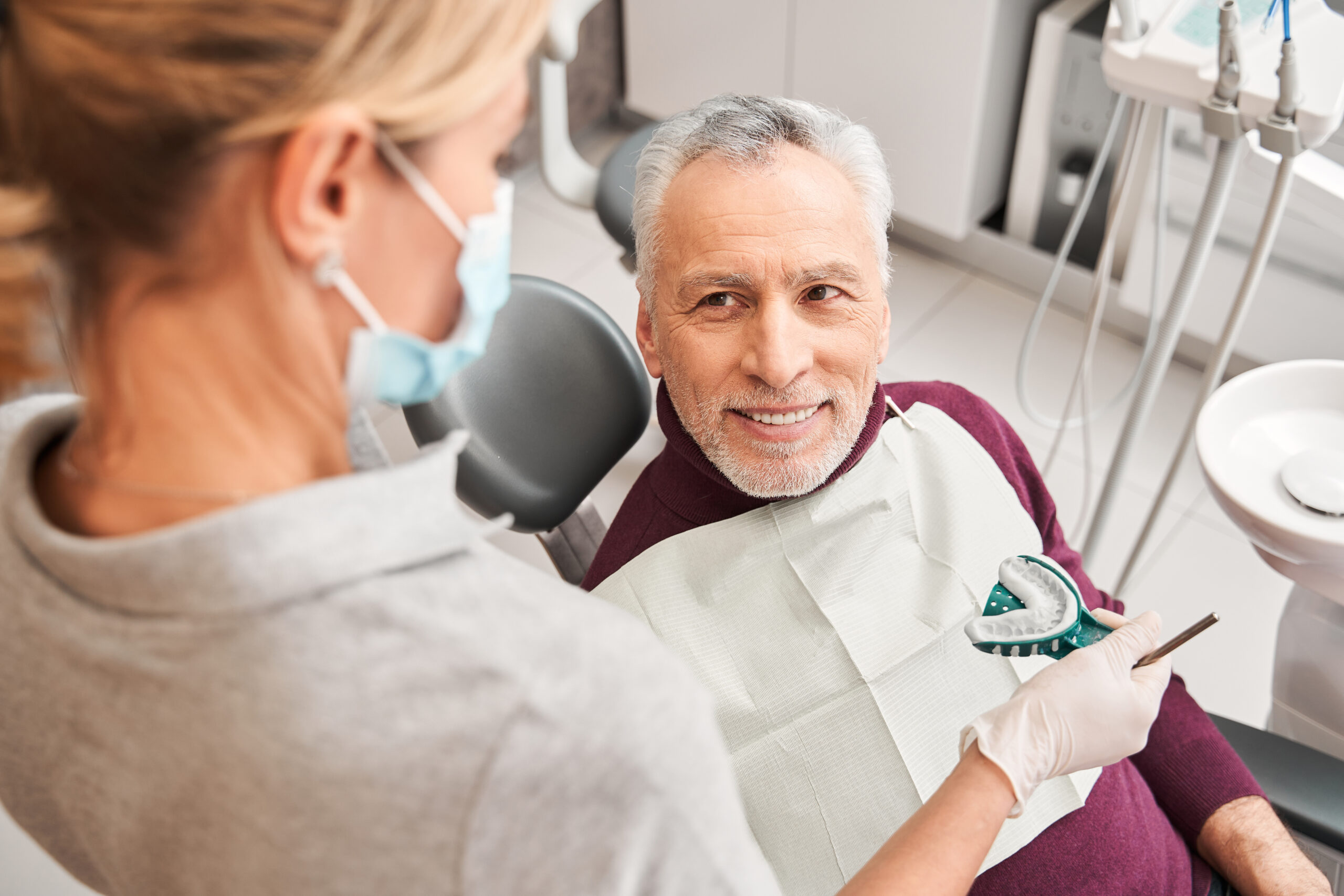
Instead of messy impression material, we use intraoral scanning technology to capture a precise digital model of your mouth, which helps us design a bridge that fits comfortably and blends with your natural teeth. Once your bridge is ready, we schedule a fitting appointment to confirm it feels secure and your bite lines up properly, and we review simple care instructions before you leave.
Good habits make a real difference in how long a bridge lasts and how well it protects the teeth that support it. These steps help keep your bridge in good condition between visits.
Following these habits helps protect the crowns supporting your bridge and lowers the risk of decay or gum irritation nearby. We also encourage patients to stay current with routine preventive dentistry so we can catch small problems early.
Cost plays a major role in how patients decide to replace a missing tooth, so we talk through it before treatment begins. The cost of a bridge varies with the type of bridge and the number of teeth it replaces, which is why we provide a personalized estimate after your exam rather than a one-size-fits-all price.
We are in-network with Delta Dental and welcome patients with other accepted insurance plans on an out-of-network basis, and we are happy to walk you through your coverage before treatment begins. For patients without insurance or with costs beyond their benefits, our flexible financing options let you spread payments over time.
A missing tooth does not have to change the way you eat, speak, or smile around the people you care about. Dr. Shivam Patel and our team are committed to helping Salisbury patients find a reliable, natural-looking solution for tooth loss, supported by modern technology and a warm approach to every visit.
If you are ready to talk about whether a bridge is right for you, contact our office to schedule a consultation with Trident Smiles. We will explain your options clearly and help you choose a plan that fits your needs.