
Periodontal Treatment in Salisbury, NC
Effective treatment for gum disease to prevent tooth loss, restore oral health, and protect your overall wellbeing.

Understanding Periodontal Disease
Periodontal disease, commonly called gum disease, is a chronic inflammatory condition affecting the tissues that surround and support your teeth. This progressive disease often develops silently without obvious symptoms in its early stages, which is why many people do not realize they have gum disease until it has advanced significantly. According to the National Institute of Dental and Craniofacial Research, 42.2 percent of adults 30 years or older in the United States have periodontitis, with prevalence increasing to nearly 60 percent among adults 65 and older. Left untreated, periodontal disease leads to bone loss, tooth mobility, and eventual tooth loss.
At Trident Smiles in Salisbury, NC, Dr. Shivam Patel provides comprehensive periodontal treatment to halt the progression of gum disease, restore your gum health, and help you maintain your natural teeth. Serving patients throughout Salisbury, Spencer, China Grove, Rockwell, and the surrounding Rowan County area, our practice focuses on eliminating the bacterial infection causing inflammation, preventing further damage to supporting structures, and establishing a maintenance plan to keep your gums healthy long-term. We use gentle yet effective techniques and work closely with each patient to achieve the best possible outcomes for their periodontal health.
Treating gum disease is essential not only for your oral health but also for your overall wellbeing. Research has established connections between periodontal disease and systemic conditions including heart disease, diabetes, respiratory infections, and adverse pregnancy outcomes. By addressing gum disease with appropriate periodontal therapy at our Salisbury, NC practice, you reduce inflammation in your body, protect your teeth from loss, and support your overall health.

Signs and Symptoms of Gum Disease
Recognizing the signs of gum disease allows for earlier intervention and more successful treatment outcomes. Common symptoms include gums that bleed easily when you brush or floss, persistent bad breath or bad taste in your mouth, gums that appear red, swollen, or tender, and gums that have pulled away from your teeth, making your teeth look longer. You may also notice loose or shifting teeth, changes in how your teeth fit together when you bite, or changes in the fit of partial dentures.
Many people with periodontal disease experience no pain or obvious symptoms, especially in the early stages. This is why regular dental examinations are so important for detecting gum disease before it progresses to advanced stages. During your routine checkups, we measure the depth of the spaces between your teeth and gums, assess gum inflammation and bleeding, and evaluate bone levels around your teeth to identify gum disease in its earliest, most treatable form.
Risk factors for periodontal disease include smoking, diabetes, poor oral hygiene, genetics, certain medications, hormonal changes, and stress. If you have any of these risk factors or notice any symptoms of gum disease, scheduling a comprehensive periodontal evaluation is an important step in protecting your oral health. Early detection and treatment can prevent the irreversible damage that occurs in advanced periodontal disease. You can learn more about our gum disease treatment and what to expect at each stage.
THE PERIODONTAL PROCESS
Step 1: Comprehensive Periodontal Examination
Your periodontal treatment begins with a detailed examination to assess the extent and severity of gum disease. Dr. Patel measures the depth of periodontal pockets around each tooth, evaluates gum recession and attachment loss, checks for bleeding and inflammation, and reviews X-rays to assess bone levels. This comprehensive evaluation provides the information needed to classify your periodontal condition and develop an effective treatment plan tailored to your specific needs.
Step 2: Scaling and Root Planing
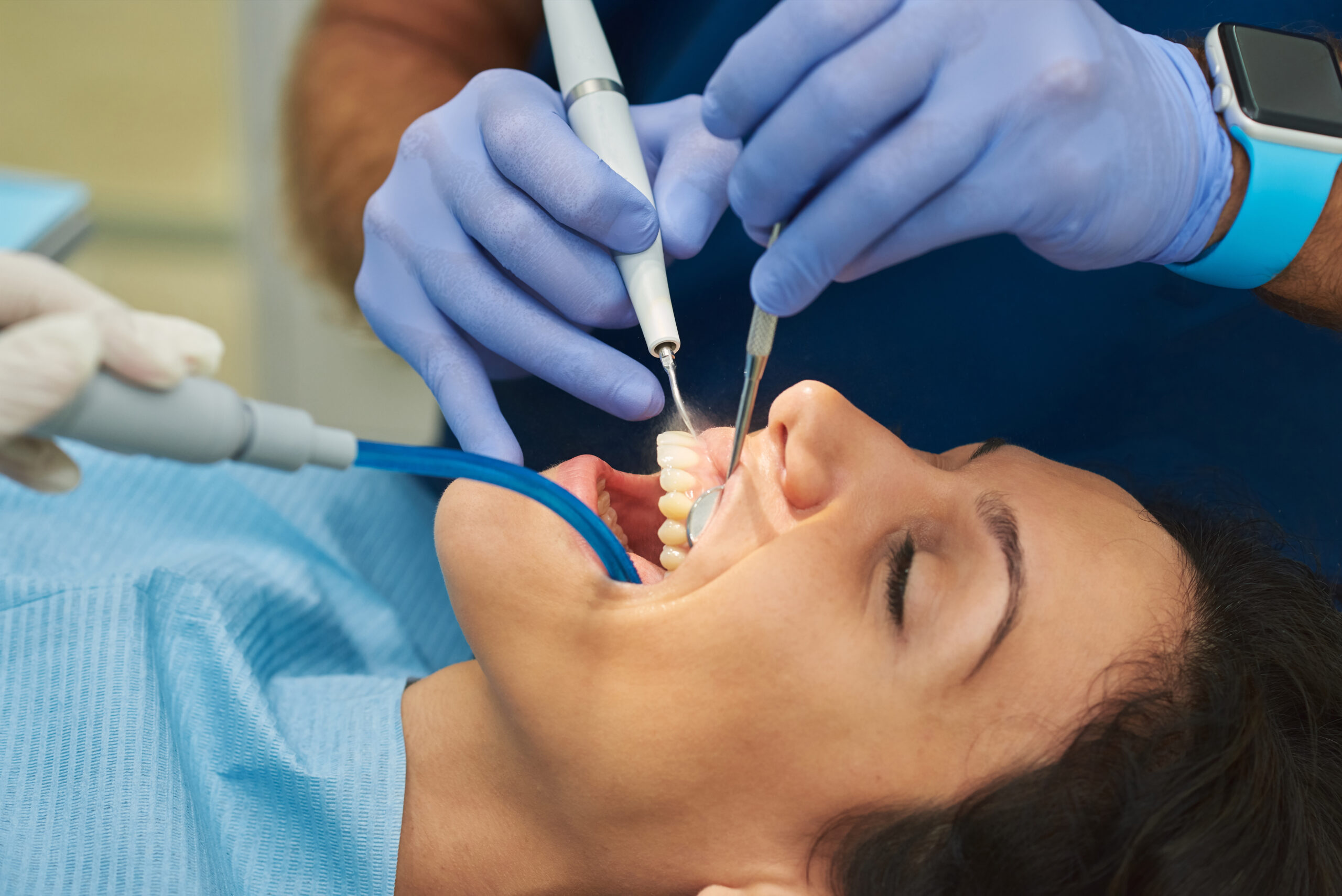
The primary treatment for periodontal disease is scaling and root planing, a deep cleaning procedure that removes bacterial deposits from below the gumline. Scaling eliminates plaque and tartar from tooth surfaces and root surfaces beneath the gums, while root planing smooths the root surfaces to discourage future bacterial accumulation and allow gum tissue to heal and reattach. We typically perform this treatment using local anesthesia to ensure your comfort, and we may treat different areas of your mouth over multiple appointments depending on the extent of disease.
Step 3: Healing and Maintenance
After your scaling and root planing treatment, your gums need time to heal and reattach to your teeth. We schedule a follow-up appointment several weeks after treatment to reevaluate your periodontal status and measure healing progress. Most patients show significant improvement with reduced inflammation, decreased pocket depths, and healthier gum tissue. We then establish a personalized maintenance schedule, typically involving professional cleanings every three to four months, to keep your gum disease under control and prevent recurrence.
Preventing Gum Disease Progression
While periodontal disease cannot be reversed once bone loss has occurred, it can be successfully managed and stabilized with appropriate treatment and ongoing care. The goal of periodontal therapy is to halt disease progression, eliminate infection, and create conditions that allow your gums to heal and remain healthy. With consistent home care and regular maintenance visits, most patients can keep their gum disease under control and retain their natural teeth for life.
Your role in preventing disease progression is crucial. We provide detailed instruction on proper brushing and flossing techniques, recommend oral care products suited to your periodontal condition, and may suggest additional tools like interdental brushes or antimicrobial rinses to support your gum health. Following these recommendations and maintaining your prescribed cleaning schedule gives you the best chance of keeping your gums healthy and avoiding tooth loss.
Benefits of Periodontal Treatment:
- Stops disease progression: Treatment halts the destruction of bone and connective tissue, preventing further damage and tooth loss.
- Eliminates infection: Deep cleaning removes the bacterial deposits causing inflammation and infection in your gum tissue.
- Improves overall health: Treating gum disease reduces systemic inflammation and may lower your risk for related health conditions like heart disease and diabetes complications.
- Fresher breath: Removing the bacteria causing gum disease eliminates a major source of persistent bad breath.
- Maintains natural teeth: Successful periodontal therapy helps you keep your teeth functional and healthy throughout your life.
The Connection Between Gum Disease and Overall Health
The bacteria and inflammation associated with periodontal disease do not stay confined to your mouth. These inflammatory mediators and bacteria can enter your bloodstream and potentially affect other parts of your body. Research has shown associations between periodontal disease and increased risk for cardiovascular disease, complications in managing diabetes, respiratory infections, and adverse pregnancy outcomes including preterm birth and low birth weight.
For patients with diabetes, the relationship between periodontal disease and blood sugar control works in both directions. Diabetes increases your risk for developing gum disease, while untreated gum disease can make blood sugar more difficult to control. Treating periodontal disease often helps improve glycemic control in diabetic patients. This interconnection highlights the importance of addressing gum disease as part of your overall health management strategy.
By treating periodontal disease, you reduce chronic inflammation in your body and eliminate a source of bacteria that can affect your systemic health. This is particularly important for patients with existing health conditions or those at higher risk for cardiovascular disease, diabetes, or other inflammatory conditions. Maintaining healthy gums through periodontal treatment and ongoing care contributes to better overall health outcomes.
FAQs
How Often Will I Need Periodontal Maintenance?
Most patients who have been treated for periodontal disease require professional cleanings every three to four months rather than the standard six-month interval. This more frequent schedule is necessary because patients with a history of gum disease are more susceptible to disease recurrence and need closer monitoring. During these maintenance visits, we thoroughly clean your teeth, measure your periodontal pocket depths, check for any signs of disease activity, and reinforce proper home care techniques. Staying consistent with your maintenance schedule is the key to long-term success in managing periodontal disease.
Can Gum Disease Be Cured?
Gingivitis, the earliest stage of gum disease, is completely reversible with professional cleaning and improved home care. However, once gum disease has progressed to periodontitis with bone loss, the damage cannot be reversed. The good news is that periodontitis can be effectively controlled and stabilized with appropriate treatment and maintenance care. Most patients in Salisbury who receive periodontal therapy and maintain their recommended cleaning schedule can keep their gum disease from progressing further and retain their natural teeth. The key is consistent professional care combined with excellent daily oral hygiene at home.
If you have noticed any signs of gum disease or have not had a periodontal evaluation recently, we encourage you to contact Trident Smiles and schedule an appointment at our Salisbury, NC office. You can also explore our preventive dentistry and restorative dentistry services to keep your entire smile healthy.